




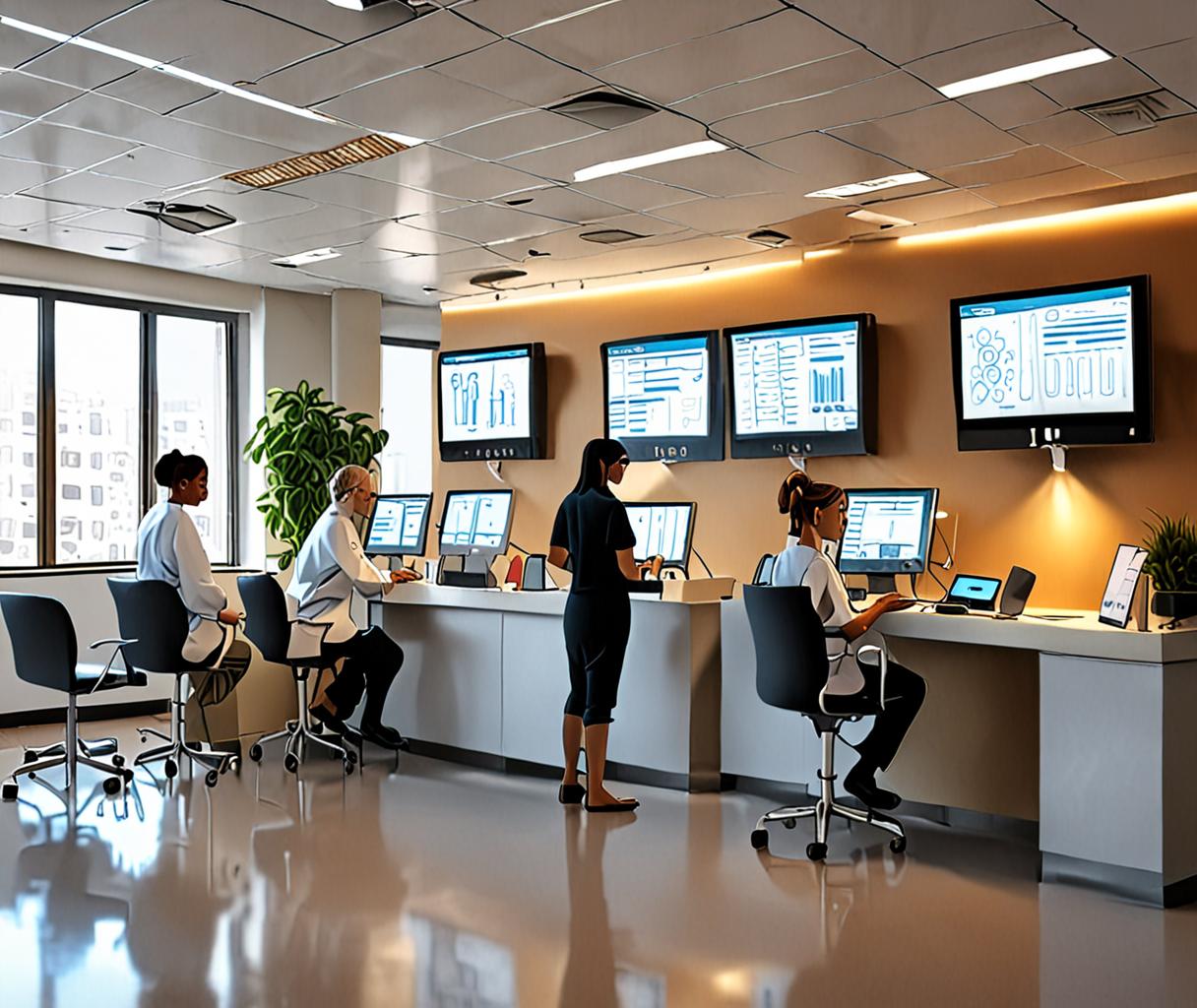
Discover how hospital management software slashed patient wait times by 40%, boosting healthcare efficiency and staff scheduling.
The 40% Shock: How One Hospital Turned Hours into Minutes
Imagine a morning ER where a patient who arrived at 8:02 am is seated in a treatment room by 8:15 am. That’s the reality after a midsize hospital overhauled its workflow with a single piece of hospital management software.
“We cut the average wait from 45 minutes to 27 minutes in just three months.”
— Chief Nursing Officer, Mercy General
Why Wait Times Were So High
Before the upgrade, the hospital relied on handwritten schedules, siloed spreadsheets, and a patchwork of phone calls. The result? Double‑booked rooms, nurses scrambling for shift swaps, and patients left in corridors while staff searched for a bed.
A single missed handoff can cascade into a 20‑minute delay for every patient behind it.
The Software Solution
The new hospital management software introduced three core capabilities:
- Real‑time bed tracking
- Dynamic staff scheduling that auto‑matches skill sets to demand
- Integrated patient flow dashboards visible to nurses, physicians, and administrators
| Feature | Before | After |
|---|---|---|
| Bed Tracking | Manual log, 10‑minute lag | Instant updates, 0‑lag |
| Staff Scheduling | Paper roster, frequent swaps | Algorithmic matching, 95% fill rate |
| Patient Flow | Phone calls, fragmented notes | Live dashboard, single source |
Concrete Changes on the Floor
Within the first week, nurses reported three tangible shifts:
- They no longer spent minutes hunting for an available bed— the dashboard showed the next free room in green.
- Shift changes happened automatically; a nurse received a push notification 30 minutes before her shift ended, along with a list of patients she’d inherit.
- Physicians could see the exact wait time for each incoming case, allowing them to prioritize emergencies without guessing.
Staff who felt powerless before now have a clear, data‑driven view of their workload.
Measurable Impact
After 90 days, the hospital logged these numbers:
- Average patient wait time dropped from 45 to 27 minutes (40% reduction).
- Bed turnover time fell by 22%, freeing up space for more admissions.
- Overtime hours decreased by 15%, saving the facility roughly $200,000 annually.
“Our staff feels calmer, and our patients notice the difference. It’s not magic—it’s better workflow.”
— Director of Operations, Mercy General
What Other Hospitals Can Replicate
If you’re watching wait times climb, start with the low‑hanging fruit:
- Map every step of the patient journey and flag bottlenecks.
- Adopt a single source of truth for bed status—no more paper boards.
- Let staff input availability in real time; a 2‑minute mobile entry beats a 10‑minute phone chain.
Pilot the dashboard in one department first. Success stories build momentum for hospital‑wide rollout.
Looking Ahead
With wait times already down, the next frontier is predictive staffing—using the same software to forecast surge periods and pre‑position resources before the crowd arrives. The lesson is clear: when workflow, scheduling, and patient flow speak the same language, efficiency follows.
Start today by auditing one shift schedule; a 5‑minute tweak can ripple into minutes saved for every patient.